
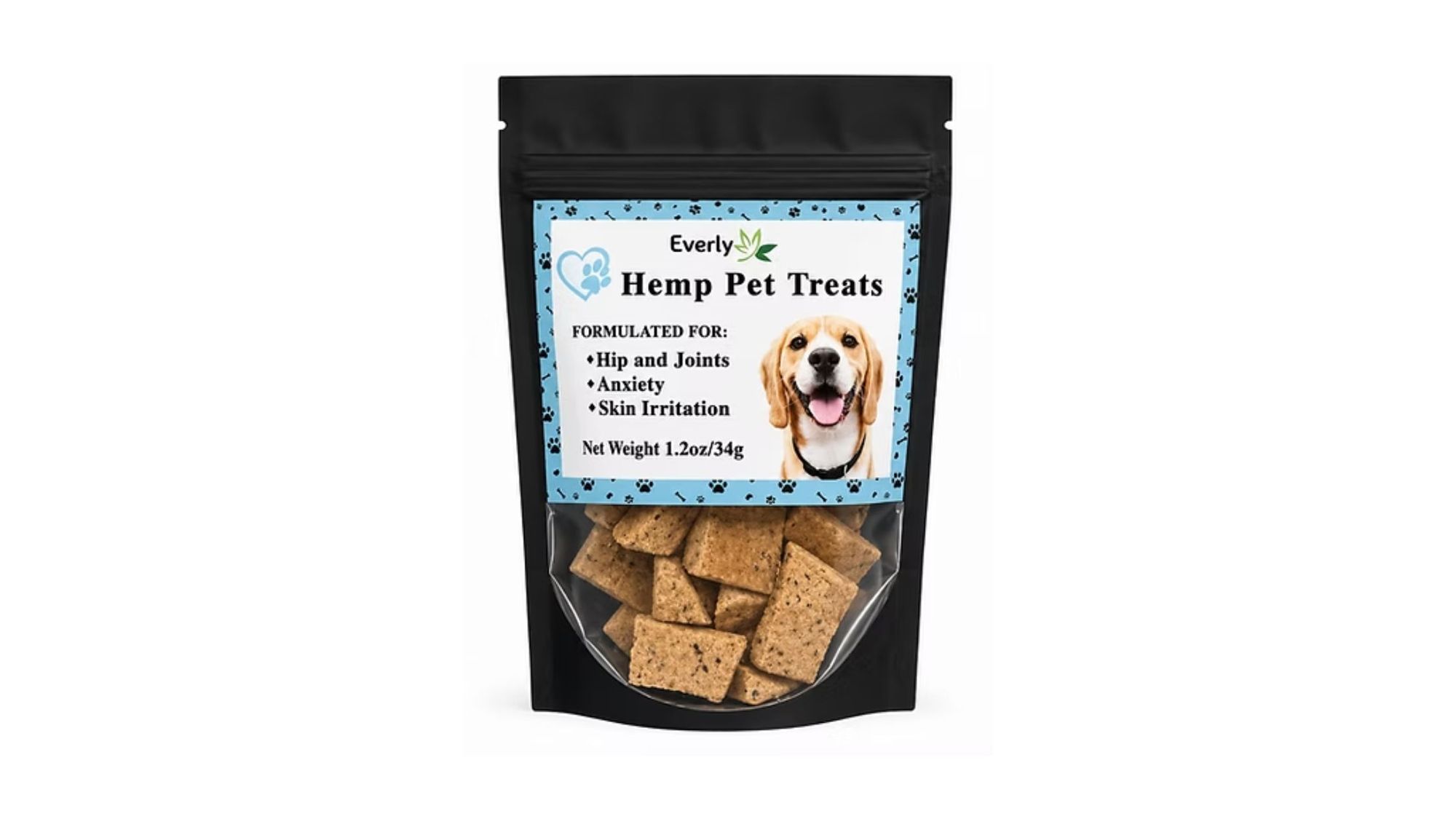
When you care deeply about your dog, reading a pet wellness label can raise more questions than answers. What does CBD actually mean? Is hemp the same thing as CBD? What should you look for in the ingredient list? And how can you tell whether a wellness claim is informative or simply too good to take at face value?
These questions matter because responsible pet wellness starts with understanding what you are reading. Pet CBD Products may contain hemp-derived ingredients, but the presence of CBD alone does not establish a specific health outcome. A better approach is to understand the ingredient, review the complete formula, consider transparency, and keep wellness claims realistic.
What Is CBD, Exactly?
CBD stands for cannabidiol, a compound associated with the cannabis plant. It is different from THC, another cannabis-associated compound. Understanding this distinction can make pet wellness information easier to interpret, especially when product labels use terms such as hemp, hemp-derived, cannabidiol, or cannabis-derived ingredients.
The presence of CBD in a formula should be viewed as ingredient information rather than a promise about what the finished product can accomplish. Responsible communication should explain what CBD is without suggesting that a cosmetic or wellness product can treat a medical condition or guarantee a particular outcome for an individual dog.
Why Are Dog Owners Curious About CBD?
Interest in CBD has expanded into conversations about pet wellness, giving dog owners plenty of reasons to ask questions. Some owners may simply want to understand why hemp-derived ingredients appear in pet-care formulas or what the terminology on a label actually means.
That curiosity deserves useful information rather than exaggerated promises. A thoughtful discussion can explain basic CBD terminology, encourage careful label reading, and emphasize transparency while recognizing that general wellness information cannot replace individualized veterinary advice.
Is Hemp the Same as CBD?
Hemp and CBD are related terms, but they do not mean the same thing. Hemp refers to certain varieties of the cannabis plant, while CBD refers to a particular compound. A hemp-derived ingredient therefore should not automatically be treated as synonymous with CBD.
Reading the actual ingredient declaration can help clear up this confusion. Product names and marketing descriptions may use broad terminology, while the ingredient list provides more specific information about what has been included in the formula.
Why Does the Ingredient List Matter?
A front label can highlight selected ingredients, but the complete ingredient list provides a much fuller picture. A pet wellness formula may contain several ingredients alongside a hemp-derived component, and each can contribute to the overall formulation.
Looking at the entire ingredient list also prevents one highlighted ingredient from becoming the sole focus. Understanding what is actually included is more informative than assuming that one ingredient automatically determines the quality or potential effect of the finished product.
What Does Product Transparency Look Like?
Transparency begins with clear and accessible information. Depending on the product and applicable requirements, useful information may include the ingredient declaration, product quantity, manufacturer or distributor details, appropriate warnings, and accurate statements concerning sourcing, manufacturing, or testing.
Testing information should also be communicated carefully. A statement about testing should explain what was actually tested instead of creating a broader impression than the available information supports. For a wellness-focused brand, straightforward information is more valuable than exaggerated claims.
How Should Owners Read Wellness Claims?
Wellness language can sometimes make a product sound more certain than the available evidence supports. Words such as "natural," "premium," "pure," or "support" may appear in wellness communication, but they should not be interpreted as guarantees.
Responsible content should distinguish general wellness language from medical claims. A product should not be presented as diagnosing, treating, curing, or preventing a medical condition. When an owner has a specific concern about a dog's health, medications, or suitability for an ingredient, a veterinarian is the appropriate professional to consult.
Does Natural Mean Better?
The word "natural" can sound reassuring, but it does not provide a complete picture of a product. A naturally derived ingredient is not automatically appropriate for every animal, nor does its origin establish a particular result.
A more useful approach is to examine the complete formula and the information provided by the manufacturer or distributor. Clear labeling, accurate descriptions, and responsible claims provide meaningful context that a single marketing term cannot provide.
What Should Owners Know About Individual Dogs?
Every dog has its own circumstances, which is why general information should not be treated as personalized veterinary guidance. Age, health history, medications, sensitivities, and other individual factors may be relevant when discussing ingredients and pet wellness.
Owners who have questions about whether a particular ingredient or product is appropriate for their dog should speak with a veterinarian who understands the animal's individual situation. This is especially important when an animal has an existing health concern or receives medication.
Why Is Transparency Important for Pet Wellness?
Pet owners place a significant amount of trust in companies that create products for animals. That trust is better supported when information is clear, specific, and easy to understand. Transparent communication gives owners an opportunity to understand what a formula contains without relying entirely on promotional descriptions.
For a wellness brand, this approach creates a more responsible relationship with its audience. Explaining ingredients accurately, acknowledging limitations, and avoiding guarantees allows the conversation to remain informative rather than becoming overly persuasive.
How Can Owners Approach CBD Information Responsibly?
A sensible starting point is to slow down and examine the information as a whole. Instead of focusing immediately on a prominent claim, owners can read the ingredient declaration, understand the terminology, consider the product's stated purpose, and look for clear information about the company and formulation.
It is equally important to recognize the difference between general wellness information and individual veterinary advice. CBD can be discussed as an ingredient without presenting it as a guaranteed solution for a dog's health or suggesting that it replaces professional care.
What Questions Are Worth Asking?
Dog owners researching CBD and pet wellness may naturally wonder what a product contains, whether its ingredients are clearly disclosed, how CBD is described, whether the company provides transparent information, and whether its wellness claims are measured and accurate.
These questions encourage a more informed approach to pet wellness. They also shift the focus away from dramatic promises and toward the information owners actually need to understand a product's ingredients and stated purpose.
What Makes Pet Wellness Information Trustworthy?
Trustworthy wellness information does not need dramatic language. It explains unfamiliar ingredients in straightforward terms, distinguishes wellness support from medical treatment, acknowledges that individual animals can have different needs, and avoids promising outcomes that cannot be guaranteed.
This type of communication fits a calm and transparency-focused wellness approach. Rather than telling owners what they should expect, useful content gives them factual information and encourages them to seek professional veterinary guidance when questions concern their individual pet.
The Bigger Picture of Pet Wellness
Pet wellness involves much more than a single ingredient. Everyday care can include appropriate nutrition, activity, grooming, routine veterinary care, a safe environment, and attentive observation of changes in an animal's behavior or condition.
CBD can be discussed as part of a broader conversation about hemp-derived ingredients and pet wellness, but it should not be presented as an answer to every concern. Keeping the conversation balanced allows owners to remain curious about emerging wellness topics without creating unrealistic expectations.
A Better Way to Read CBD Pet Information
The next time you encounter information about CBD and dogs, looking beyond the headline can provide a much clearer picture. Read the complete ingredient information, understand the difference between hemp and CBD, distinguish CBD from THC, and examine whether the claims are factual or overly broad.
This approach encourages ingredient literacy rather than reliance on marketing language. It also reinforces an important principle of responsible pet wellness communication. An ingredient label can tell you what a formula contains, but it cannot determine what is appropriate for an individual animal.
Final Thoughts
Questions about CBD and pet wellness are understandable as hemp-derived ingredients become more visible in pet-care conversations. The most useful response is not a dramatic promise but clear, balanced information about ingredients, labeling, transparency, and responsible wellness language.
The phrase Best CBD Products for Dogs may appear in online searches, but responsible educational content should not turn that question into a ranking or guarantee. A more useful conversation is about understanding CBD, examining complete formulas, evaluating product information, and recognizing when a veterinarian should be involved.
For wellness brands, that distinction matters. Calm communication, accurate ingredient information, transparent product details, and realistic expectations create content that respects both pets and the people responsible for their care. Good wellness education does not need to overpromise. It simply needs to provide information that helps readers understand the subject more clearly.